Surviving Nordic Winters
Discover plant varieties engineered to withstand extreme cold conditions on your balcony
Understanding Cold Hardiness
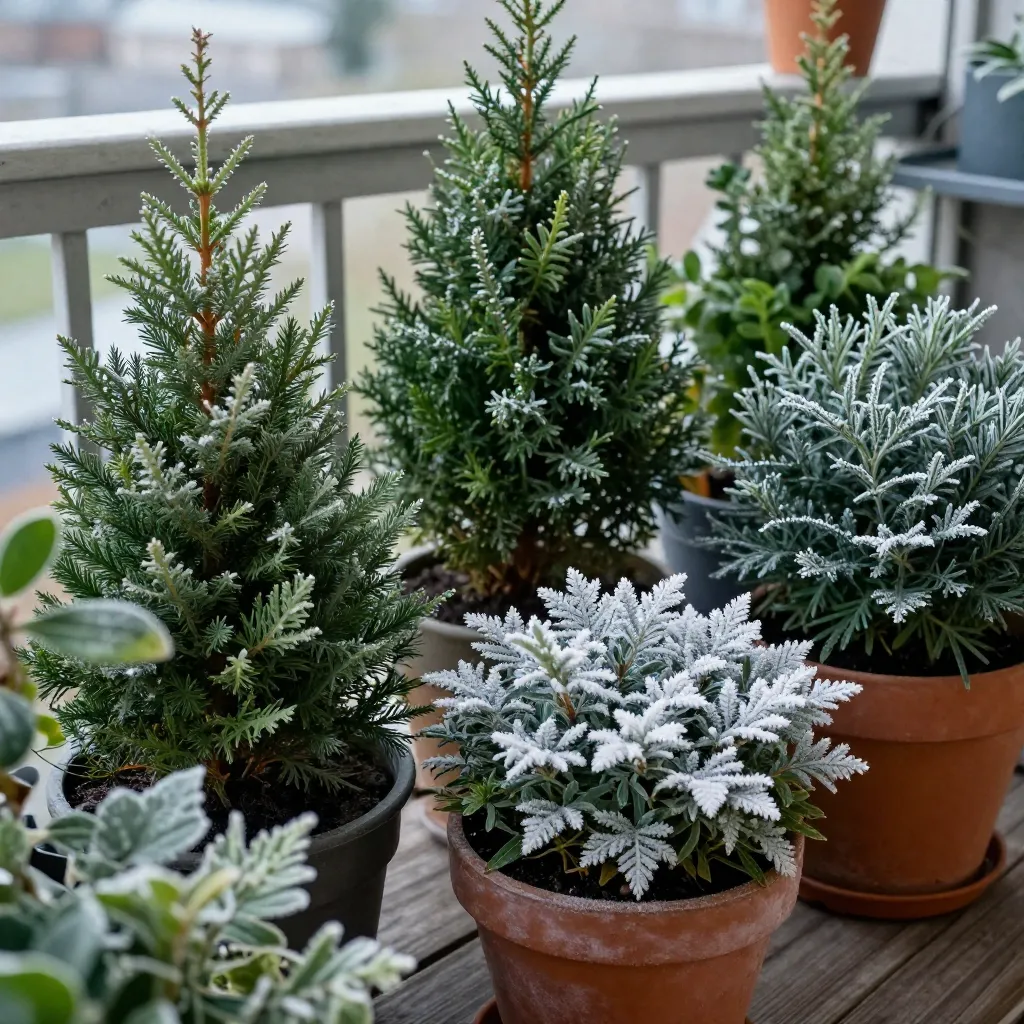
Cold hardiness refers to a plant's ability to survive freezing temperatures. The USDA Hardiness Zone system categorizes plants based on the lowest temperature they can endure. For Nordic climates, we focus on zones 3-5, where temperatures can drop to -40°C.
Plants develop various survival mechanisms: cellular antifreeze proteins, reduced water content, and protective bud scales. Understanding these mechanisms helps in selecting appropriate species for exposed balcony environments.
Selection Criteria
Root System Resilience
Plants with shallow, fibrous root systems adapt better to container environments. These roots can survive soil freezing cycles without damage.
Evergreen Foliage
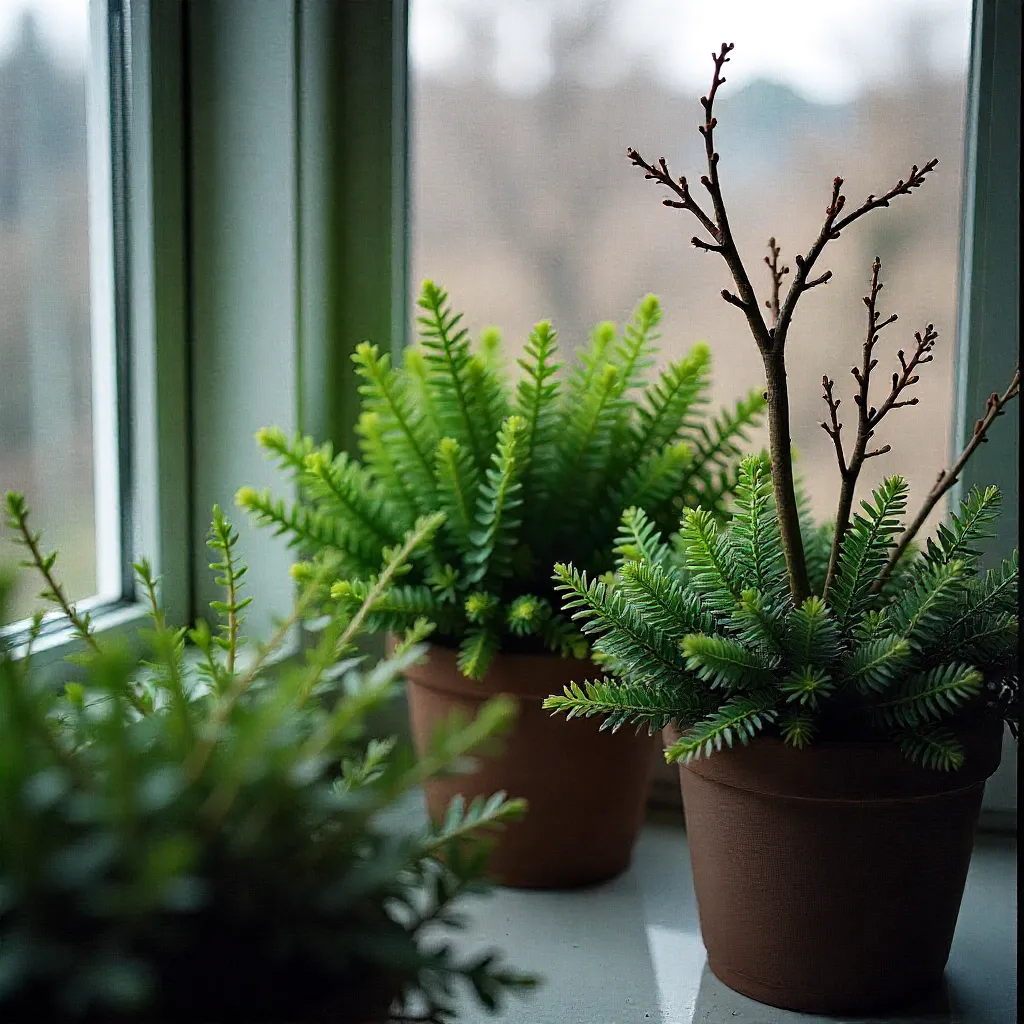
Species that retain leaves through winter provide year-round visual interest while demonstrating natural cold adaptation mechanisms.
Dormancy Patterns
Proper dormancy timing ensures plants enter protective states before severe cold arrives, preventing cellular damage.
Recommended Species
Coniferous Options
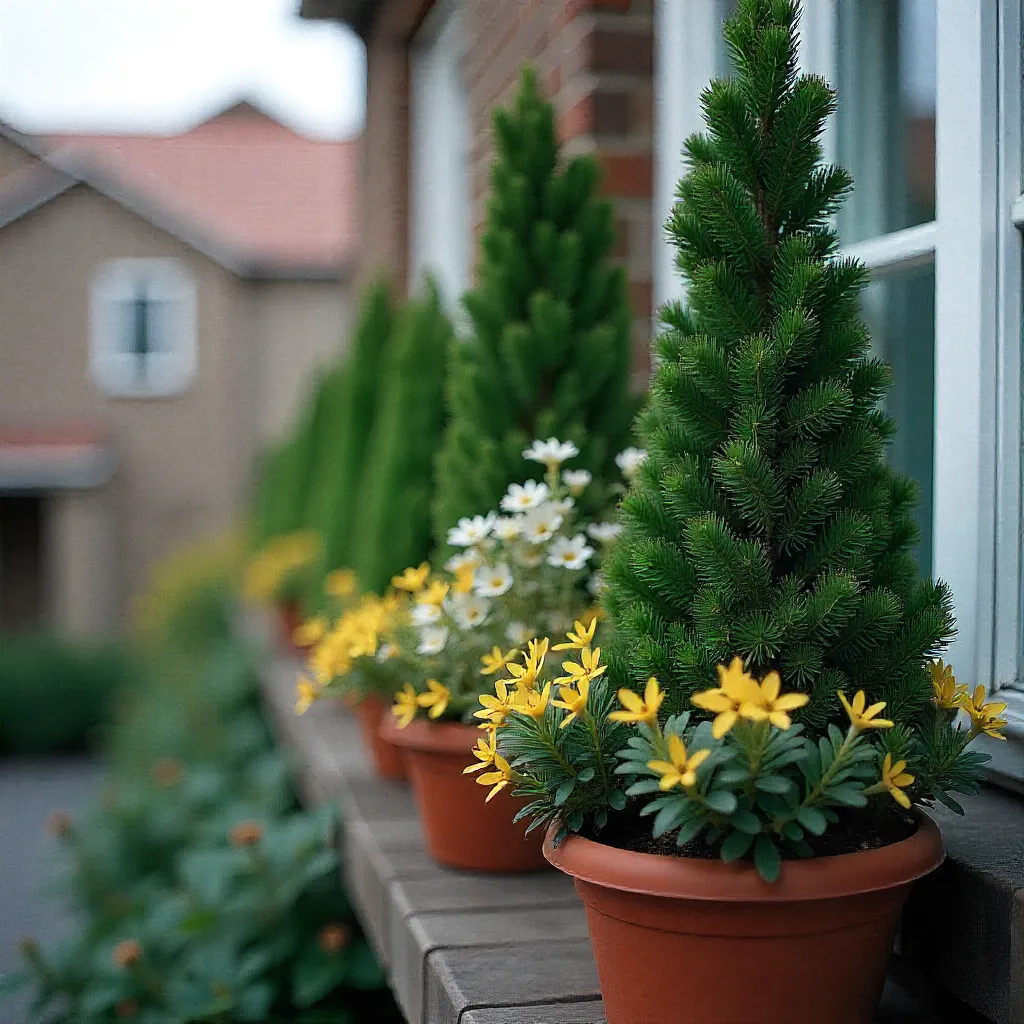
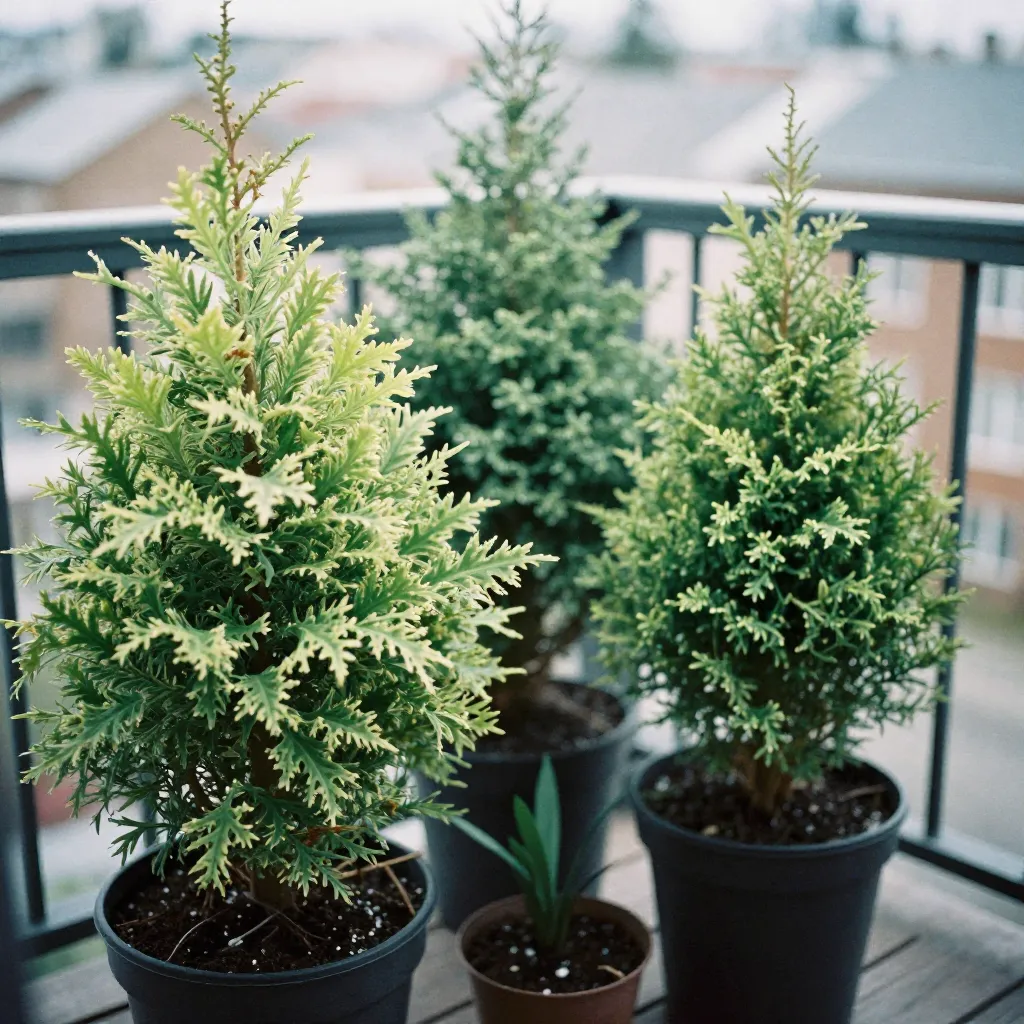
Dwarf conifers like Picea glauca 'Conica' and Pinus mugo varieties offer structural interest throughout winter. Their needle-like leaves reduce water loss and resist freezing damage.
These species naturally occur in alpine and subarctic regions, making them genetically predisposed to cold tolerance.
Container Considerations
Container material significantly impacts root temperature. Terracotta and unglazed ceramics provide better insulation than thin plastic. Double-potting techniques create air gaps that buffer against rapid temperature changes.
Drainage remains critical even in winter. Waterlogged soil freezes more deeply and causes root damage. Elevated containers allow air circulation beneath, preventing ground-level cold transfer.

Microclimate Management
Wind Protection
Strategic placement against walls or barriers reduces wind chill effects. Windbreaks can increase effective temperature by several degrees.
Sun Exposure
South-facing balconies receive more solar radiation, creating warmer microclimates. Morning sun helps thaw frozen surfaces gradually.
Thermal Mass
Large containers and surrounding structures absorb and release heat, moderating temperature fluctuations throughout day-night cycles.
Winter Care Protocols
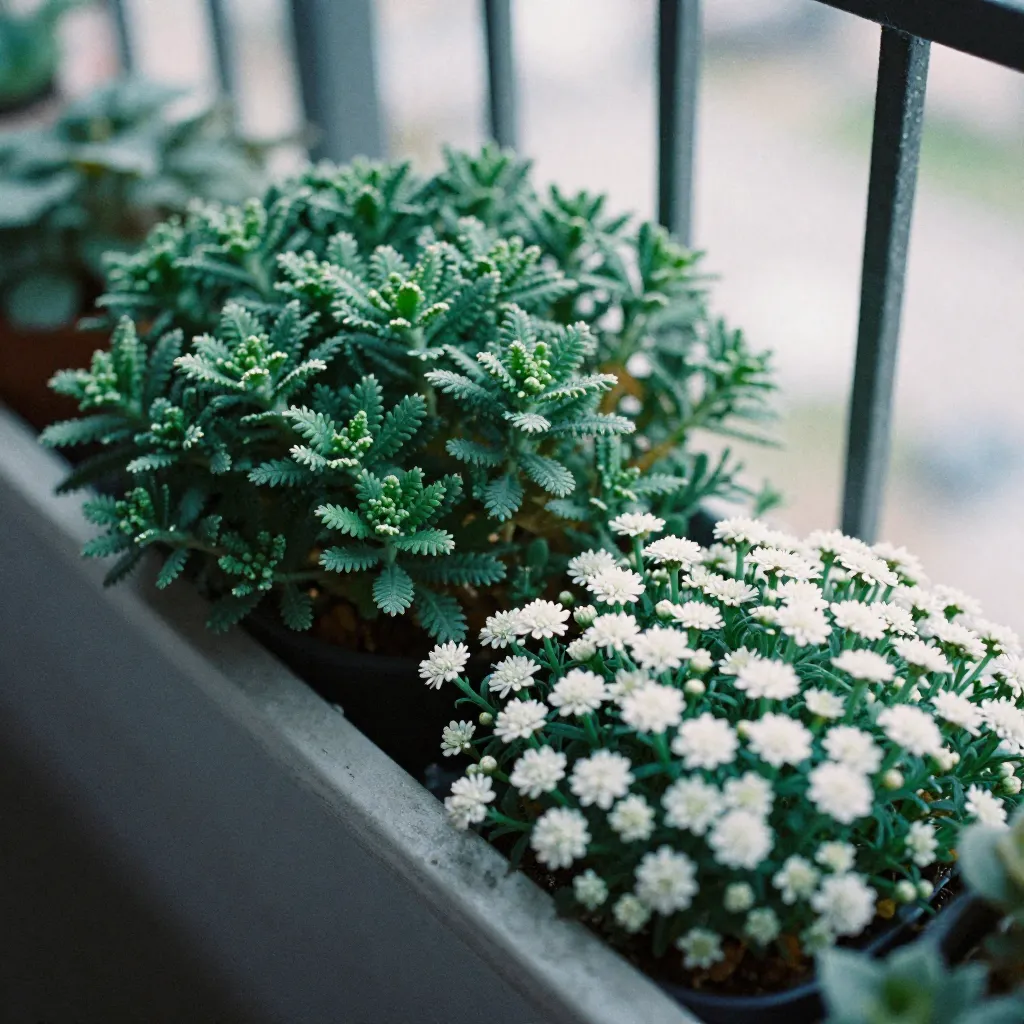
Watering schedules must adjust for reduced evaporation. Plants require moisture before ground freezes to prevent desiccation. Mulching container surfaces with organic materials provides insulation.
Monitoring becomes essential during temperature drops. Frost cloths or burlap wraps offer temporary protection during extreme events. Remove covers during daylight to prevent overheating.
Species Database
Comprehensive Hardiness Information
Our database contains detailed information on over 200 cold-tolerant species suitable for container cultivation. Each entry includes minimum temperature tolerance, growth habits, and specific care requirements.
Data is compiled from field observations in Nordic regions and verified through controlled exposure testing. Regular updates reflect new discoveries and cultivar developments.
Research & Development
Ongoing research focuses on identifying genetic markers associated with cold tolerance. Collaboration with botanical gardens and research institutions provides access to diverse plant collections.
Field trials in controlled environments simulate Nordic winter conditions, allowing systematic evaluation of survival rates and recovery patterns. Data collection includes temperature logging, moisture monitoring, and visual health assessments.